
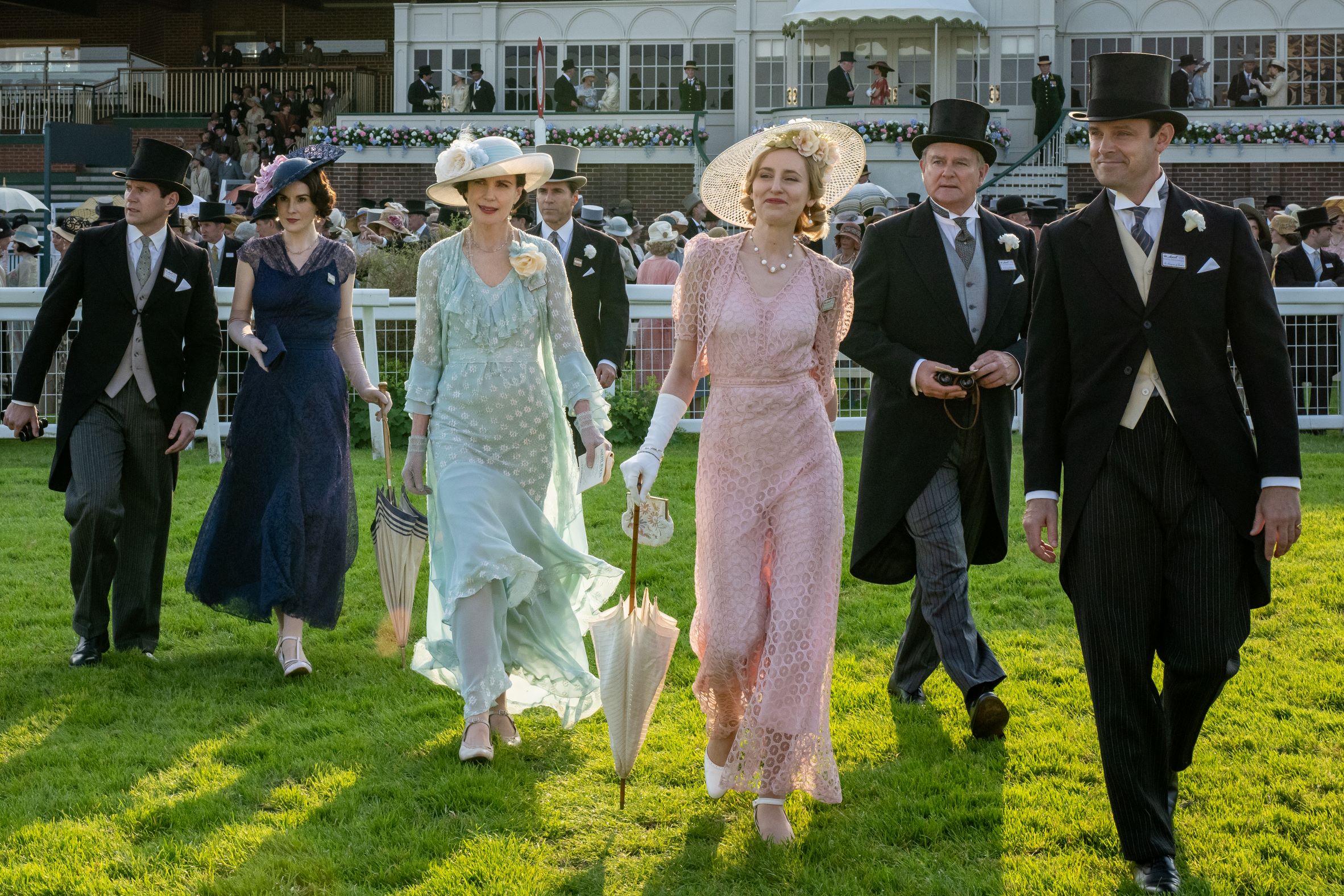
Fifteen years ago, an unlikely period drama debuted to rave reviews and quickly built a following that cut across nearly every demographic. Those who didn’t share in the excitement often found themselves having to defend their indifference. After all, how could you not be swept up in the timeless romance between Mary (Michelle Dockery) and Matthew (Dan Stevens), or dazzled by the sharp-tongued brilliance of Violet (Maggie Smith)? The celebration lasted six seasons and spawned two feature films before arriving at this finale.
When word of the final chapter broke, I was skeptical. The previous films were mere shadows of the series—seemingly designed more to milk the cash cow than to continue its legacy. The last entry, for those of you old enough to remember the reference, had a complete “Brady’s in Hawaii” taint. Both leaned too heavily on fan service while neglecting what made the series truly shine: the storytelling. Surely a finale would be more of the same. Thankfully, I was wrong.
Though it begins with hints of faltering, the story quickly shifts into a higher gear unseen since season one. Writer Julian Fellowes delivers precisely what fans have been yearning for: depth, authenticity, and storylines that echo real-life parallels with surprising resonance. Topics that earlier films might have brushed aside with a smile and a neat bow are now given weight and nuance. While a few plotlines feel compressed or predictable, Fellowes and director Simon Curtis manage to balance the ensemble beautifully, giving each character their moment without slipping into sentimentality.

The central theme is time’s passage—and what makes this installment special is how clearly it acknowledges that we, the audience, have grown alongside it. Each piece builds on the last, layering entertainment with just the right measure of nostalgia. A perfect example is the introduction of Cora’s (Elizabeth McGovern) brother Harold (Paul Giamatti). His inclusion could have been clumsy, but instead, he blends seamlessly into the family, sparking meaningful callbacks to the past.
The greatest challenge, of course, was addressing the absence of Maggie Smith. Her Violet was the not-so-quiet engine that powered the series’ enduring success. Who else could deliver a line like “What is a week-end?” and turn it into an international sensation? Fellowes handles her departure with grace and poignancy. I shed more than a few tears along the way, but the final farewell left me both devastated and comforted.
If films could be knighted, this one would surely bear the honor. It’s a farewell steeped in grace, heart, and the rare magic of a story that knew exactly how to leave the stage.