In a 1789 letter to French scientist Jean-Baptiste Le Roy, founding father Benjamin Franklin wrote, “Our new Constitution is now established, and has an appearance that promises permanency; but in this world nothing can be said to be certain, except death and taxes.” Since then, we’ve added a few certainties of our own.
We know Milli Vanilli didn’t sing. We know Pete Rose bet on baseball. We know O.J. did it. And we know Elizabeth Holmes is a fraud. Then again, we also “know” Franklin coined that line about death and taxes (the first known reference was in a 1716 play by Christopher Bullock).
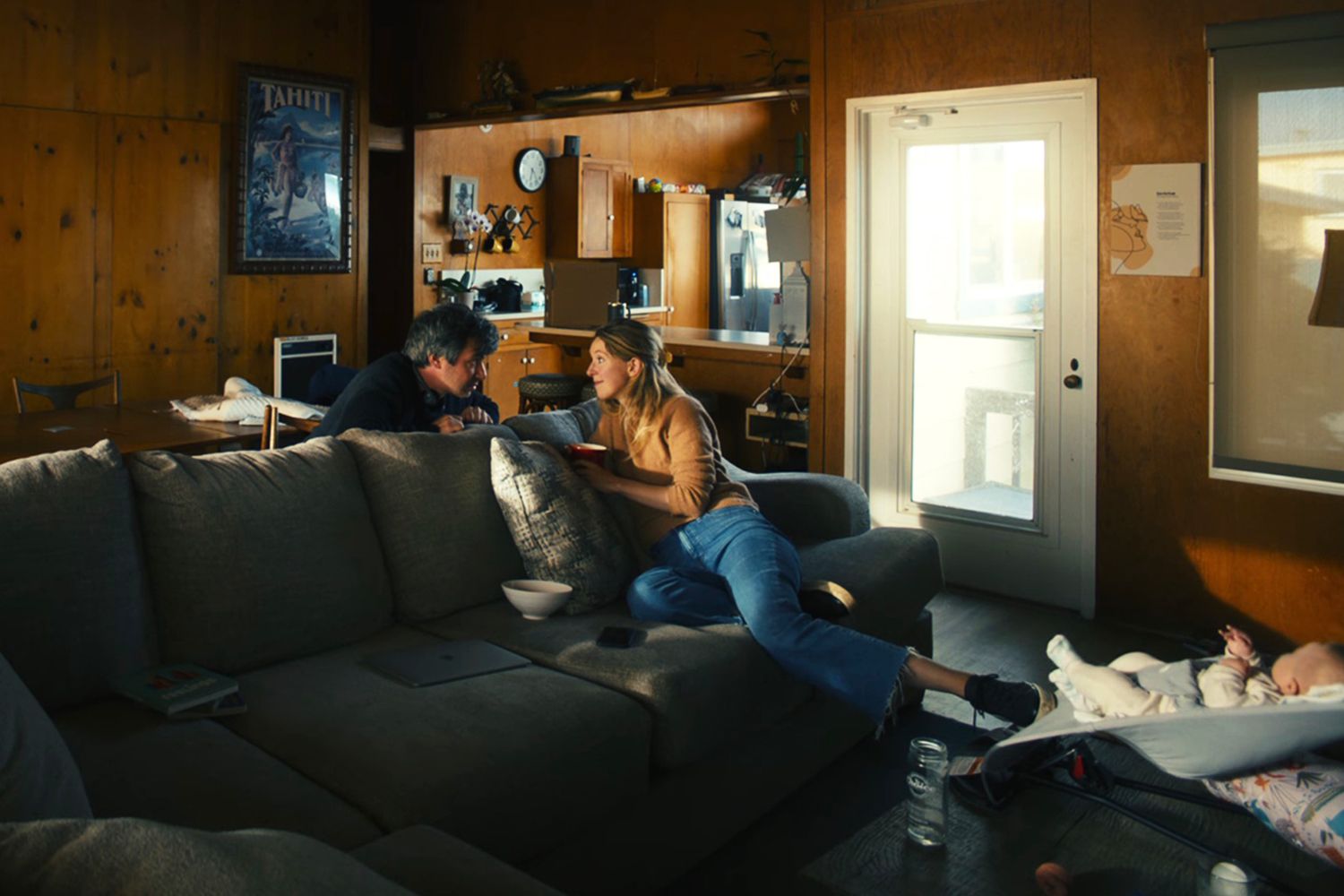
In April 2023, just weeks before Holmes was due to report to federal prison, she and her partner, Billy Evans, invited quirky comedian and filmmaker Nathan Fielder to move in with them. He and his crew, including co-director Lance Oppenheim, were given unusual access to the couple: the kind of access a filmmaker dreams of, but is best advised to fear.
From the outset, everything Fielder records is viewed with well-deserved skepticism. Why him? Why now? Does she believe she’s innocent? Is this all an elaborate hoax? Her repeated protestations keep the audience laser-focused on every word, every facial tic, every nuance. When Holmes sheds a tear, there’s no feeling of sympathy, only doubt.
For fans of Fielder, the path he takes is predictable. His shy, awkward, deadpan modesty makes him the ideal unsuspecting mouse, stalked by a far nimbler, ever-calculating predator. For roughly an hour, it’s a perfectly respectable documentary. I’d already envisioned the impending credits and a mid-tier rating. Then…
Fielder asks one question. The reply stopped me dead in my tracks. The remaining two hours take the viewer on a deeper, far more intriguing expedition into the unknown. This is a documentary that demands a large bucket of popcorn. Strap-in, because the rest of the ride gets…surreal.
Fielder and Oppenheim leave a few things on the table to quibble over. At nearly three hours, the film outstays its welcome, and some viewers will check out before the pay-off. A few questions and glaring opportunities also go unanswered, unprodded, or unresolved. I wanted to know more about Holmes’s parents. They had much to impart, yet we’re left to guess why we don’t hear more from them. A critical question posed at the start of the film suggests an obvious outcome, only to land with a dull thud. One shot earns the film its R rating and nothing else. These minor missteps aside, this is a must-see experience. The only previous documentary that evokes a similar feeling is 2016’s brilliant mind-screw, Tickled.
I left the theater felling like I ordered a Happy Meal, but walked out of a seven-course feast.